
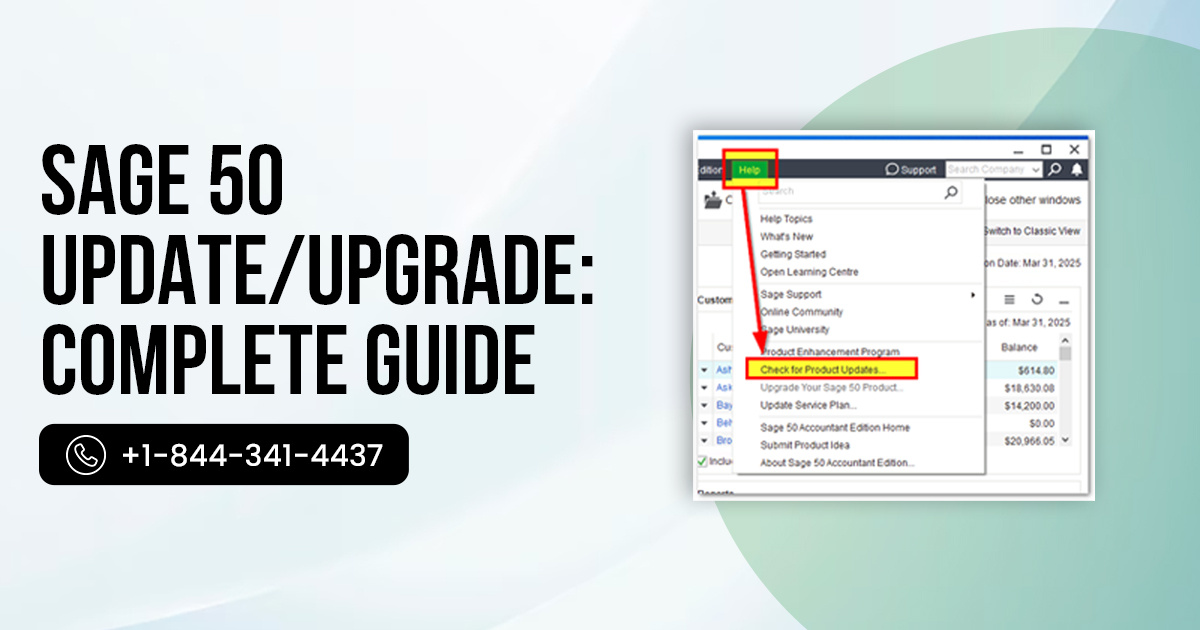
Upgrading accounting software can feel risky, especially when years of financial data, invoices, payroll records, and compliance reports are involved. Many businesses delay a sage 50 upgrade because they worry about data corruption, compatibility issues, or unexpected downtime. The truth is that upgrading doesn’t have to be stressful if it’s done with the right preparation and a clear understanding of the process.
Whether you are running a small business or managing accounts for multiple clients, knowing how to plan, execute, and verify an upgrade makes all the difference. If you ever need guidance before starting a sage 50 upgrade or want to clarify version compatibility, many users consult support resources such as +1-844-341-4437 to confirm their approach before moving forward.
Understanding What a Sage 50 Upgrade Really Means
A sage 50 upgrade is more than just installing a newer version of the software. It involves updating program files, databases, and sometimes company data structures so that everything works smoothly with the latest features and compliance changes.
When you upgrade sage 50, the software may:
Modify internal data tables
Introduce new reporting standards
Improve performance and security
Add features that weren’t available in older editions
This is why planning matters. An upgrade affects not just the application but also the way your accounting data is stored and accessed.
Why Businesses Avoid Upgrading (and Why That’s Risky)
Many companies continue using outdated versions for years because “everything still works.” While that might feel safe, avoiding a sage 50 update can create long-term problems such as:
Missing out on regulatory or tax updates
Slower performance on modern systems
Limited compatibility with newer operating systems
Higher risk of file corruption over time
Ironically, delaying updates often increases the chance of data loss later, especially when hardware or operating systems change.
Pre-Upgrade Planning: The Most Important Step
Review Your Current Version and System
Before you update sage 50, identify:
Your current Sage 50 version and edition
Your operating system (Windows version)
Whether you are using single-user or multi-user mode
Older versions may require step-by-step upgrades rather than jumping directly to the latest release.
Check Data Size and Company Files
Large company files or multiple fiscal years can increase upgrade time. Knowing this in advance helps you plan downtime and avoid interruptions during critical accounting periods.
The Golden Rule: Backups Are Non-Negotiable
If there is one step that protects you from data loss, it’s backing up your data properly.
Create Multiple Backups
Before starting a sage 50 upgrade:
Create a full backup within the software
Store one copy locally
Store another copy on external storage or secure cloud media
Never rely on a single backup. If something goes wrong, redundancy saves you.
Verify Backup Integrity
After creating backups, restore them to a test location if possible. A backup that can’t be restored is useless when you need it most.
Preparing Your Environment for the Upgrade
Update Windows and System Components
Ensure your operating system has the latest updates installed. Missing system components can interrupt the sage 50 update process.
Temporarily Disable Background Applications
Antivirus software, firewalls, or backup utilities can interfere with installation files. Disable them temporarily to reduce conflicts during the upgrade.
Ensure Proper Permissions
Log in as a Windows administrator. Lack of permissions is one of the most common reasons upgrades fail.
Step-by-Step: How to Upgrade Sage 50 Safely
Step 1: Download the Correct Installer
Always download the installer that matches your edition and region. Using the wrong installer can cause version mismatches.
Step 2: Close All Sage 50 Sessions
Make sure all users are logged out. In multi-user environments, no one should be connected during the upgrade sage 50 process.
Step 3: Run the Installer as Administrator
Right-click the installer and choose “Run as Administrator.” This ensures all components install correctly.
Step 4: Allow the Data Conversion Process
When opening your company file for the first time after upgrading, Sage 50 may prompt you to convert data. Do not interrupt this step. Data conversion may take time, especially with large files.
Post-Upgrade Validation: Don’t Skip This
Once the sage 50 upgrade is complete, validation is essential.
Check Company Data
Verify:
Account balances
Customer and vendor records
Open invoices and bills
Payroll and tax settings
Run Key Reports
Compare reports from before and after the upgrade to ensure consistency.
Test Multi-User Access
If you use multi-user mode, confirm that all workstations can access the company file without errors.
Common Mistakes That Lead to Data Loss
Avoid these frequent errors:
Skipping backups
Upgrading during peak accounting periods
Using outdated installers
Interrupting data conversion
Ignoring warning messages
Each of these can increase the risk of file corruption during a sage 50 update.
When a Clean Install Is the Better Option
In some cases, a direct upgrade isn’t ideal. A clean install followed by restoring data may be safer if:
The system has experienced repeated crashes
The software has been upgraded many times over several years
There are unresolved data integrity issues
This approach often results in better performance and fewer errors long-term.
How Often Should You Update Sage 50?
Most experts recommend reviewing updates annually at a minimum. Even if you don’t upgrade every year, staying within a supported version range reduces risks related to compatibility and compliance.
Regular updates help ensure that:
Security patches are applied
Regulatory changes are reflected
Performance improvements are available
Data Security After an Upgrade
After completing a sage 50 upgrade:
Re-enable antivirus and firewall software
Restrict user permissions where necessary
Schedule regular automated backups
Upgrading is a good opportunity to review overall data protection practices.
Signs Your Upgrade Was Successful
A smooth upgrade usually shows these indicators:
No error messages when opening company files
Reports match historical data
Faster load times
Improved system stability
If anything feels off, investigate immediately rather than continuing daily operations.
Frequently Asked Questions
What should I do before starting a sage 50 upgrade?
Always back up your company data, confirm system compatibility, and ensure all users are logged out before beginning the process.
Can I upgrade sage 50 without losing historical data?
Yes. When done correctly with proper backups and uninterrupted data conversion, historical records remain intact.
How long does a typical sage 50 update take?
Installation may take 30–60 minutes, while data conversion can take longer depending on file size and system performance.
Is it possible to downgrade if something goes wrong?
Downgrading is not recommended. Restoring data from a verified backup is the safer recovery option.
Who can help if I face issues after upgrading?
If you encounter errors or need clarification during or after the upgrade process, many users reach out to experienced support teams through resources like +1-844-341-4437 for guidance on resolving post-upgrade issues.
Final Thoughts
A sage 50 upgrade doesn’t have to be complicated or risky. With careful planning, verified backups, and methodical execution, businesses can upgrade confidently without data loss. Treat upgrades as part of regular system maintenance rather than a last-minute task, and your accounting data will remain accurate, secure, and ready to support informed business decisions.